
Writer
Infrastructure & Integration Engineer

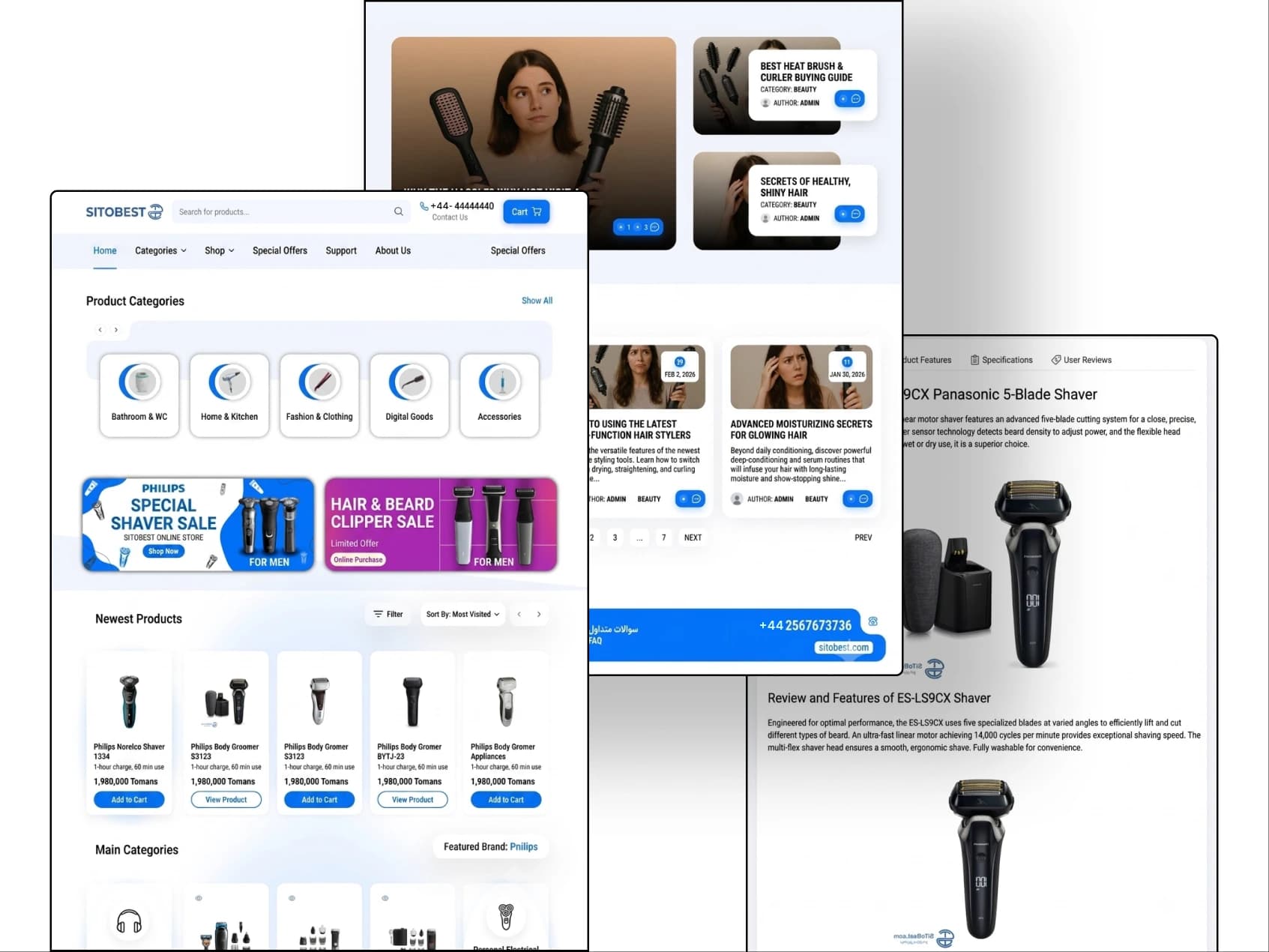
The brand's original monolithic liquid theme suffered from rigid layout constraints, bloated third-party scripts, and escalating technical debt. Slow mobile rendering and poor Core Web Vitals caused high bounce rates during peak marketing campaigns, severely limiting seasonal sales scalability and failing to reflect the premium nature of the grooming products.
The architectural overhaul began by establishing a fully decoupled frontend using Next.js and TypeScript, styled with Tailwind CSS to construct a bespoke, fluid user experience. By bypassing Shopify’s traditional Liquid rendering engine, we gained granular control over asset loading, image optimization, and bundle sizes. Data fetching is completely managed via the Shopify Storefront API, utilizing highly optimized GraphQL queries to dynamically retrieve product catalogs, inventory levels, and collection metadata. This ensures that content is static where possible yet remains dynamic for personalized shopping elements.
To secure a seamless transactional flow, the frontend seamlessly integrates with Shopify's native checkout via server-side session management. Client-side state handling via React Query manages real-time cart mutations, localized pricing, and instant variant switching without triggering layout shifts. The deployment infrastructure was shifted to a global edge network, incorporating stale-while-revalidate caching strategies that reduce Time to First Byte (TTFB) to milliseconds globally, rendering the store impervious to sudden, high-volume traffic spikes.
This case study is part of our Shopify Headless service offering.
Break free from standard Shopify limitations. By decoupling the storefront from the backend using Next.js and Shopify Hydrogen, we engineer custom, enterprise-grade architectures. Your frontend operates independently at lightning speed, while seamlessly retaining Shopify's robust commerce engine.